Transforming Oxidation into Wealth: The Abandoned Car Disposal Process Explained
When a car reaches the end of its life, it often turns into a burden rather than a dependable means of transport. Many vehicle owners find themselves facing the difficult decision of how to deal with their outdated and rusty cars. This is where the scrap car removal process is important, offering an effective method for those wanting to get rid of their unwanted vehicles and possibly making a bit of money in return. Learning about this process could be advantageous for those with a damaged vehicle sitting in their driveway or shed.
The scrap car removal service is a service designed to help automobile owners get rid of their damaged or non-functioning cars safely for the environment. Firms focusing in this field not just support the transportation of the vehicle but additionally ensure that it is recycled properly, lowering the negative ecological effects of waste vehicles. By turning what appears like a useless item into recyclable resources, it is possible to contribute to environmental sustainability and earn some extra cash at the same time.
Grasping Junk Vehicle Worth
The value of a wrecked vehicle is determined by multiple factors, including its make, type, year, and condition. When a vehicle hits the final stage of its usefulness, its metallic parts carry considerable worth due to the demand for refurbished materials. Junk metallic prices vary based on industry factors, making it crucial for owners to know the current value of their cars prior to disposing of them for scrap. A in good condition car may return a greater price than a seriously wrecked one merely due to the functionality of its components.
Another important factor is the presence of salvageable parts. Many scrap cars feature components like motors, transmissions, and electrical parts that can be refurbished and marketed separately. This adds to the total worth of the scrap car, as salvage yards and recycling firms search for cars that can provide various sources of profit. Car owners should inventory of what components may still be functional or in demand, as this can impact the price they receive during the disposal process.
Lastly, understanding the regional laws concerning wrecked vehicle disposal can affect the worth. Some regions may provide incentives for repurposing vehicles, while some may impose costs for disposal. Being aware of these regulations helps car owners navigate the disposal procedure more successfully and steer clear of surprise costs. By considering these elements, car owners can maximize the financial benefits of scrap car disposal.
The Unwanted Car Removal Process
This scrap car removal process begins with the vehicle owner contacting a company that specializes in taking away scrap vehicles. In this initial communication, the company typically gathers details about the car, such as its make, model, year, and state. This helps them determine if the vehicle can be salvaged or if it should be sent immediately to the scrapyard. Many companies offer free quotes and will ask if the car is still running or if it is in a non-functional condition requiring towing.
After a decision is made, the service arranges a convenient pickup time. On the scheduled day, the designated team arrive at the owner's location to check the vehicle. If the conditions are met, they check for paperwork like the vehicle's title. This step is important as it ensures that the service is legally permitted to take the car. After confirming the details, the professionals prepare to remove the vehicle carefully, often bringing necessary equipment to handle the extraction process.
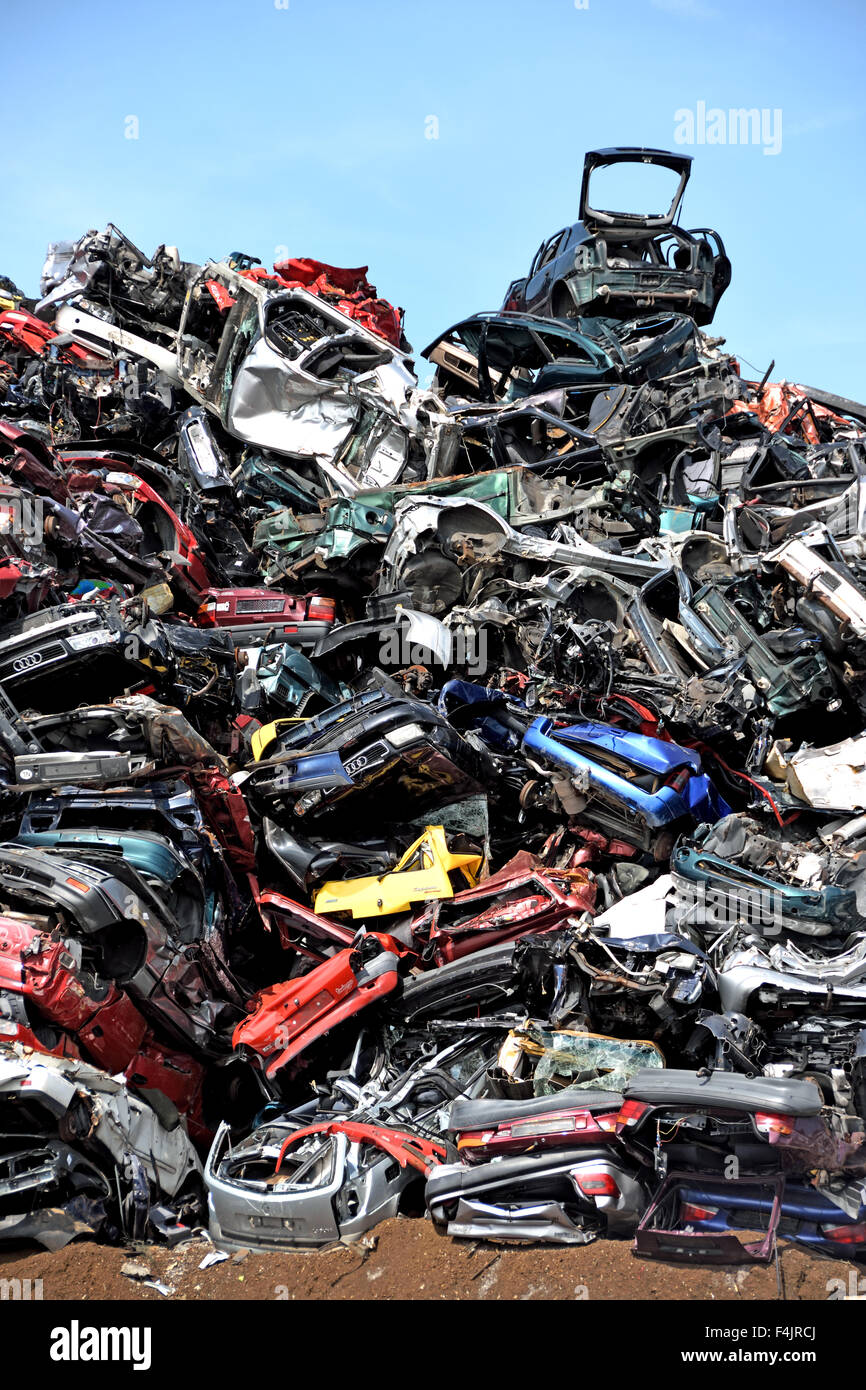
Once the vehicle is loaded onto a tow truck or flatbed, it is transported to a designated salvage yard or recycling facility. Here, the car undergoes further assessment for parts that can be reused or refurbished. The remainder of the vehicle is processed for scrap metal. This entire process not only offers financial compensation to the car owner but also promotes eco-friendly practices by ensuring that the materials are repurposed and reused, turning what was once a rusting vehicle into valuable resources.
Eco-Friendly Recyclable Methods
Scrap car removal is a crucial part in enhancing environmentally-friendly recycling practices. As soon as vehicles reach the end of their life cycle, they typically harbor materials that can be harmful to the environment if not disposed of correctly. Recognized scrap car removal services ensure that hazardous components, such as car batteries and liquids, are handled appropriately. By adhering to strict environmental regulations, they minimize the threat of pollution, safeguarding natural resources and local ecosystems.
Along with proper disposal of harmful substances, scrap car removal enables the reclamation of valuable materials. Steel, aluminum, and synthetics from old vehicles can be recycled and used in manufacturing new products. This method helps conserve raw materials and reduces energy consumption in comparison with creating new materials from nothing. By repurposing these materials, the scrap car removal industry plays a part to a circular economy, where resources are reused and waste is significantly lessened.
Moreover, many scrap car removal services focus on sustainability in their operations. This entails using sustainable towing methods and making efforts to reduce their carbon footprint. By opting to dispose of a scrap car through these services, vehicle owners not only benefit financially but also take part in an environmentally responsible process. The increasing awareness of eco-friendly practices in the vehicle recycling industry highlights the necessity of responsible waste management in advancing a greener planet.